
Skip to content
King's College Hospital London - Jeddah
AR
24/7 Care Line+966920066668
LocationContact UsCareersPatient PortalDr KingsHealth Library
AR
Cardiothoracic Surgery · Sub-specialty

Congenital Cardiac Surgery

Overview

Congenital Cardiac Surgery focuses on correcting heart defects present from birth. These defects range from simple abnormalities, like small holes in the heart, to complex malformations involving multiple heart structures. Surgical intervention is often necessary early in life to correct these defects and improve heart function. The field has advanced significantly, offering various surgical techniques that enhance long-term outcomes and quality of life for children with congenital heart conditions.
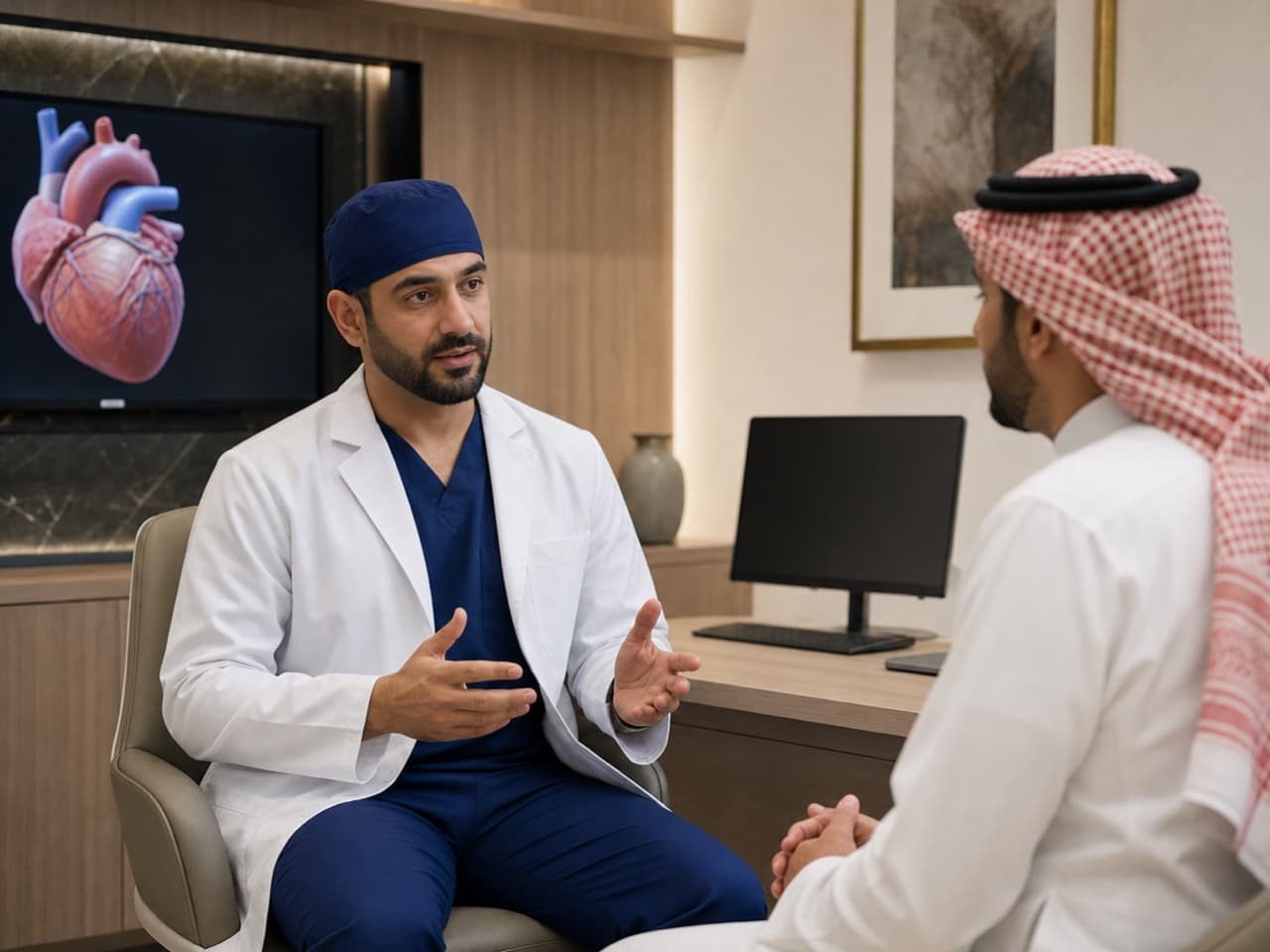
Congenital Cardiac Surgery
Our approach to care

Initial evaluation of congenital heart defects often occurs through prenatal ultrasounds or shortly after birth if symptoms are present. Echocardiography is the primary diagnostic tool, providing detailed images of the heart’s structure and function. For more comprehensive assessment, cardiac MRI or CT scans may be used to visualize complex heart anomalies. Cardiac catheterization can provide detailed information on heart pressures and oxygen levels, and is sometimes used for diagnostic purposes. Genetic testing and counseling may be recommended, as some congenital heart defects are associated with genetic syndromes.

Surgical intervention is a key treatment for many congenital heart defects, with the timing and type of surgery depending on the severity of the condition. Procedures like ASD and VSD repairs involve closing the holes in the heart’s chambers to normalize blood flow. Complex surgeries, such as the repair of Tetralogy of Fallot or the arterial switch operation for TGA, are performed to correct multiple defects and improve heart function. For conditions like HLHS, a series of surgeries are conducted over time, starting with the Norwood Procedure. In some cases, catheter-based interventions offer less invasive options for treating certain defects.

Regular follow-up with a pediatric cardiologist is essential for monitoring heart health and development after surgery. Parents and caregivers are educated on recognizing signs of potential complications, such as changes in feeding, breathing, or activity levels. Medications may be prescribed to support heart function or prevent complications post-surgery. Nutritional support is important, especially for infants and children recovering from heart surgery. Activity levels are closely monitored and adjusted according to the child’s condition and stage of recovery.

A thorough review of the child’s health history and current symptoms will be conducted. Diagnostic tests, such as echocardiograms or cardiac MRI, will be performed or reviewed to assess the heart defect. The healthcare team will discuss potential surgical options, explaining the benefits and risks of each. Pre-operative preparation and post-operative care plans will be outlined to ensure the best outcomes. Parents and caregivers will have the opportunity to ask questions and discuss concerns about the child’s condition and treatment.

More in this specialty

Cardiothoracic Surgery

Heart Transplantation and Ventricular Assist Devices

Aortic Surgery

Esophageal Surgery

Thoracic Oncology

Minimally Invasive and Robotic Thoracic Surgery

Adult Cardiac Surgery

General Thoracic Surgery

KCH Jeddah app

Your consultant, in your pocket.

Book appointments, view reports, track prescriptions, in a single app.

KCH Jeddah app