
Skip to content
King's College Hospital London - Jeddah
AR
24/7 Care Line+966920066668
LocationContact UsCareersPatient PortalDr KingsHealth Library
AR
Cardiothoracic Surgery · Sub-specialty

Minimally Invasive and Robotic Thoracic Surgery

Overview

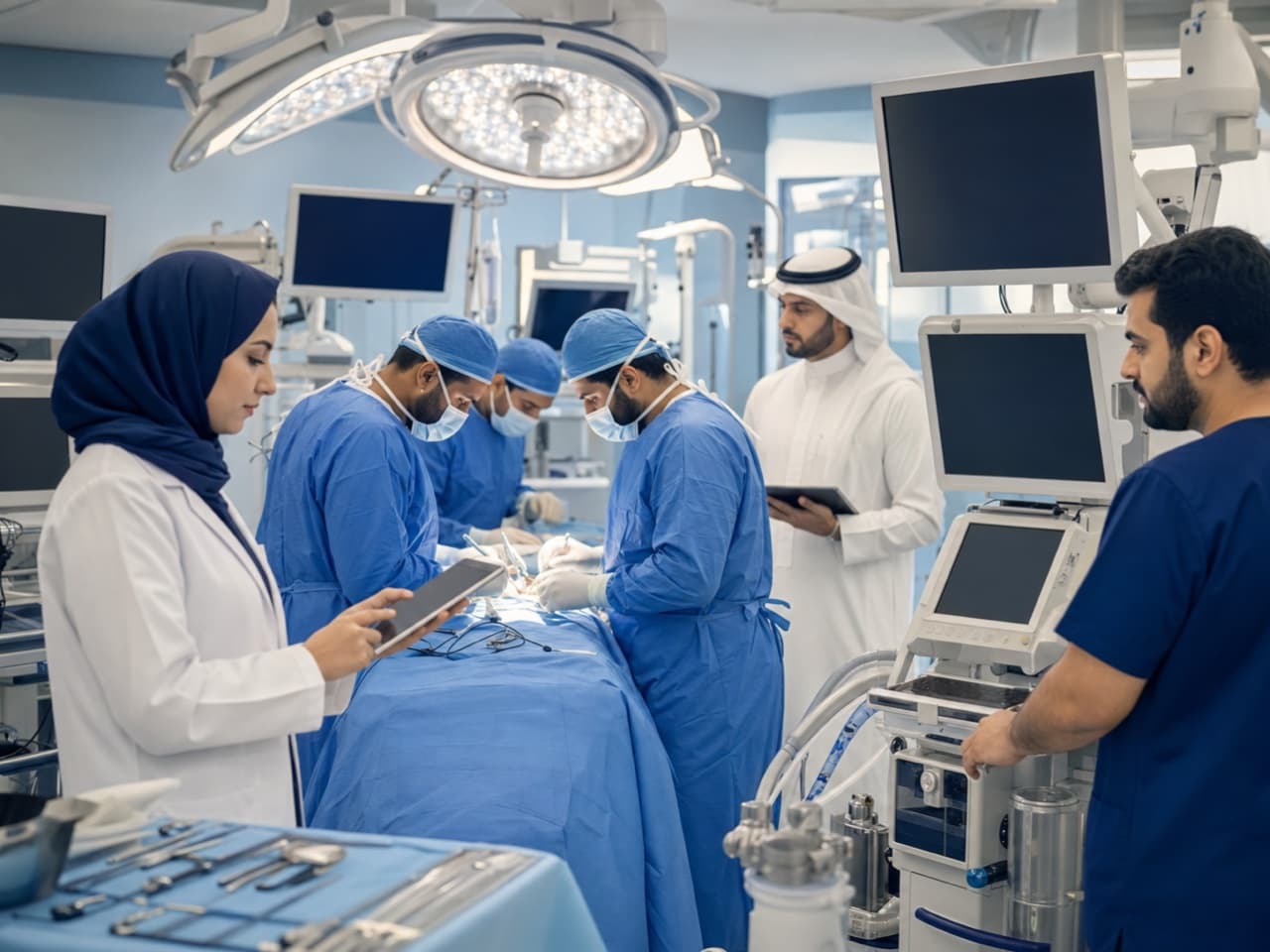
Minimally Invasive and Robotic Thoracic Surgery represents advanced surgical techniques in treating thoracic conditions, including lung, esophageal, and mediastinal diseases. These approaches utilize small incisions, specialized instruments, and often robotic assistance to perform complex surgeries with precision. Benefits include reduced pain, shorter hospital stays, and quicker recovery times compared to traditional open surgery. Techniques like
Minimally Invasive and Robotic Thoracic Surgery
Our approach to care

We will review your medical history and current symptoms to assess if minimally invasive or robotic surgery is suitable for you. Our team will use imaging studies like CT scans, MRIs, and PET scans to get a clear picture of your condition. For specific diagnoses, we might perform endoscopic procedures, such as bronchoscopy for lung issues or esophagoscopy for esophageal conditions, to take tissue samples. We’ll conduct pulmonary function tests to ensure your lungs are strong enough for surgery. A cardiac evaluation may be necessary to confirm your heart’s readiness for a thoracic procedure.

We can offer you Video-Assisted Thoracoscopic Surgery (VATS) for conditions like lung resections and pleural diseases, aiming for a quicker recovery. Robotic-assisted surgery could be an option for you, providing precision in removing tumors and conducting complex reconstructions with less impact on your body. Stereotactic Body Radiotherapy (SBRT) might be recommended if you have early-stage lung cancer but are not a candidate for traditional surgery, targeting tumors precisely with minimal side effects. If your condition involves the airways or esophagus, endobronchial or esophageal procedures using minimally invasive techniques could be performed for diagnosis or treatment. For issues like excessive sweating or facial blushing, a thoracic sympathectomy via VATS might significantly improve your symptoms.

After your surgery, we’ll schedule regular follow-ups to monitor your recovery and the effectiveness of the procedure. We’ll guide you on managing any pain or discomfort post-surgery, ensuring you have the right medications and support. Engaging in prescribed rehabilitation exercises will be crucial to regain your strength and return to normal activities. We advise on nutrition and lifestyle adjustments to support your healing process and overall well-being. Our team is here to support you, offering resources and referrals to counseling or support groups if you’re dealing with emotional challenges post-surgery.

During your visit, we’ll have an in-depth conversation about your health, exploring your symptoms and treatment history. You’ll undergo diagnostic tests we’ve planned for you, which will help us determine the best course of action. We’ll discuss your treatment options in detail, focusing on what’s most suitable for your specific condition and lifestyle. You’ll receive clear instructions on how to prepare for surgery and what the recovery process will involve. This is a collaborative process, and we encourage you to ask questions and share any concerns you might have about your treatment and care.

More in this specialty

Cardiothoracic Surgery

Heart Transplantation and Ventricular Assist Devices

Aortic Surgery

Esophageal Surgery

Thoracic Oncology

Adult Cardiac Surgery

Congenital Cardiac Surgery

General Thoracic Surgery

KCH Jeddah app

Your consultant, in your pocket.

Book appointments, view reports, track prescriptions, in a single app.

KCH Jeddah app