
Skip to content
King's College Hospital London - Jeddah
AR
24/7 Care Line+966920066668
LocationContact UsCareersPatient PortalDr KingsHealth Library
AR
Cardiothoracic Surgery · Sub-specialty

Aortic Surgery

Overview

Aortic surgery addresses diseases and conditions affecting the aorta, the largest artery in the body that carries oxygen-rich blood from the heart to the rest of the body. This includes aneurysms, dissections, and coarctation, which can pose significant risks if not treated. Aortic surgery aims to repair or replace damaged sections of the aorta to prevent life-threatening complications. Advances in surgical techniques, including open and endovascular procedures, have improved outcomes for patients requiring aortic intervention.
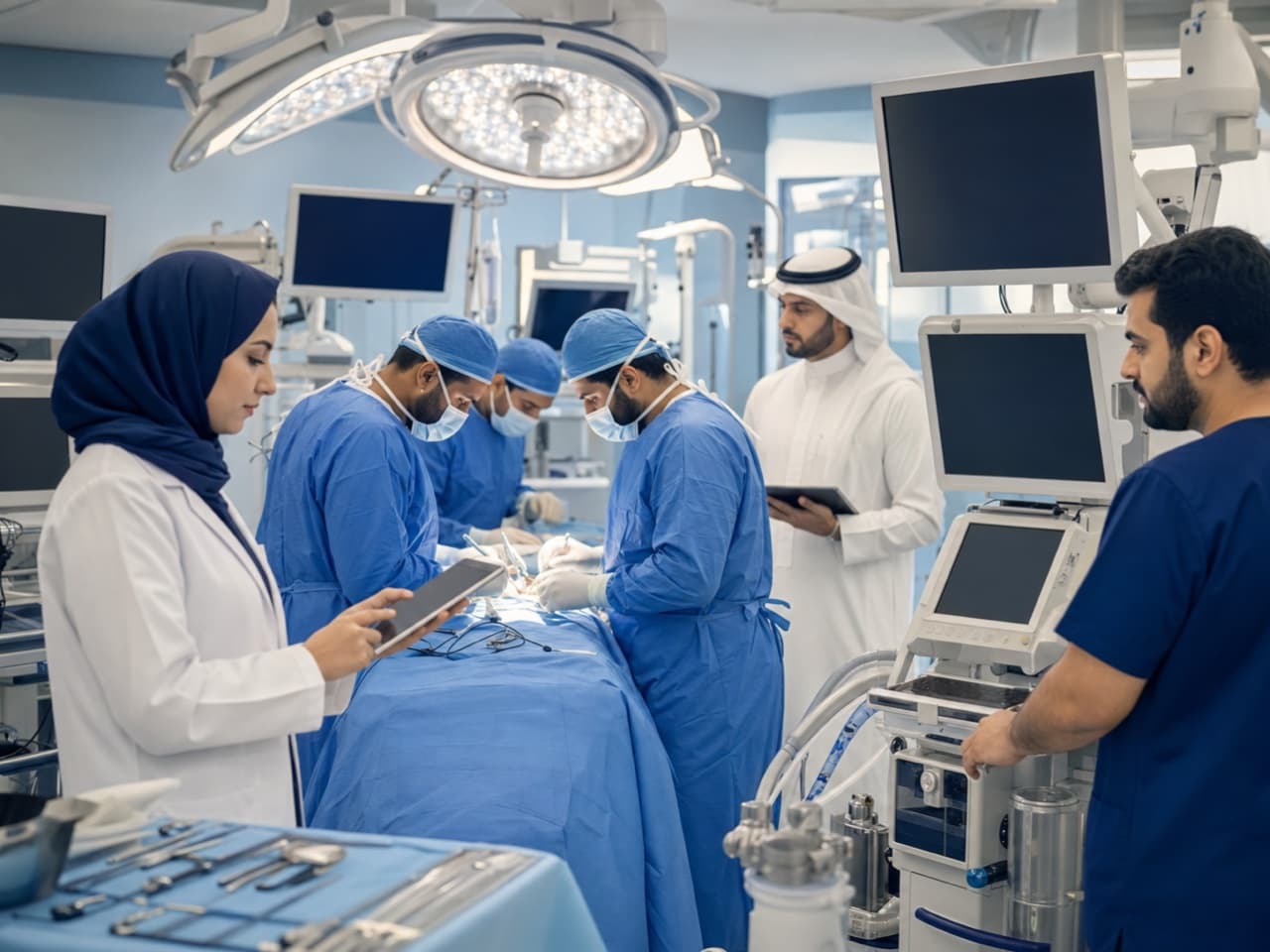
Aortic Surgery
Our approach to care

Initial evaluation often involves a detailed review of symptoms, medical history, and a physical examination focused on signs of aortic disease. Echocardiography is used to visualize the heart and aorta, helping to identify aneurysms, dissections, or coarctation. Computed Tomography (CT) angiography provides detailed images of the aorta, allowing for precise measurement of aneurysms and identification of dissections. Magnetic Resonance Imaging (MRI) offers additional detailed views, especially useful in assessing the aorta’s structure and blood flow without radiation exposure. Cardiac catheterization might be performed to measure pressures within the heart and aorta and to assess the coronary arteries before surgery.

For aortic aneurysms, surgical repair or endovascular aneurysm repair (EVAR/TEVAR) is selected based on the aneurysm’s location and size. Aortic dissection requires emergency surgery for Type A dissections, focusing on replacing the damaged aorta segment with a graft, while Type B dissections may be managed with medication or endovascular procedures. Aortic root surgery may involve replacing the aortic root and valve with a composite graft in cases of aneurysm or dissection affecting the root. Coarctation of the aorta is treated through surgical repair or balloon angioplasty and stenting to relieve the narrowing. Ongoing management for patients with Marfan syndrome or other connective tissue disorders includes monitoring and treating aortic dilation to prevent dissection.

Regular follow-up imaging studies, such as CT scans or MRIs, are critical to monitor the repaired or replaced aorta and detect any new issues. Patients must adhere to prescribed medication regimens to control blood pressure and reduce stress on the aorta. Lifestyle modifications, including a heart-healthy diet, regular exercise within physician-recommended limits, and smoking cessation, support overall recovery and health. Awareness of symptoms that could indicate complications, such as sudden chest pain or back pain, is crucial for seeking timely medical attention. Participation in genetic counseling and testing may be recommended for patients with familial patterns of aortic disease.

You’ll undergo a comprehensive evaluation to assess your aortic condition, including discussion of any symptoms and review of prior medical tests. Diagnostic tests, such as echocardiography, CT angiography, or MRI, will be scheduled to determine the extent of your aortic disease. The surgical team will discuss potential treatment options, including the risks and benefits of surgery versus endovascular procedures. Preoperative planning will include detailed instructions on preparing for surgery and what to expect during recovery. You’ll have the opportunity to address any questions or concerns regarding your condition, treatment options, and long-term management.

More in this specialty

Cardiothoracic Surgery

Heart Transplantation and Ventricular Assist Devices

Esophageal Surgery

Thoracic Oncology

Minimally Invasive and Robotic Thoracic Surgery

Adult Cardiac Surgery

Congenital Cardiac Surgery

General Thoracic Surgery

KCH Jeddah app

Your consultant, in your pocket.

Book appointments, view reports, track prescriptions, in a single app.

KCH Jeddah app