
Skip to content
King's College Hospital London - Jeddah
AR
24/7 Care Line+966920066668
LocationContact UsCareersPatient PortalDr KingsHealth Library
AR
Cardiothoracic Surgery · Sub-specialty

General Thoracic Surgery

Overview

General Thoracic Surgery encompasses surgical procedures on organs in the chest (thorax), excluding the heart. This specialty primarily focuses on treating conditions of the lungs, esophagus, trachea, and chest wall. Common procedures include lung resection for cancer, surgery for esophageal disorders, and treatment of pleural diseases. Thoracic surgeons employ both traditional open surgeries and minimally invasive techniques, adapting the approach based on the patient’s condition and overall health.
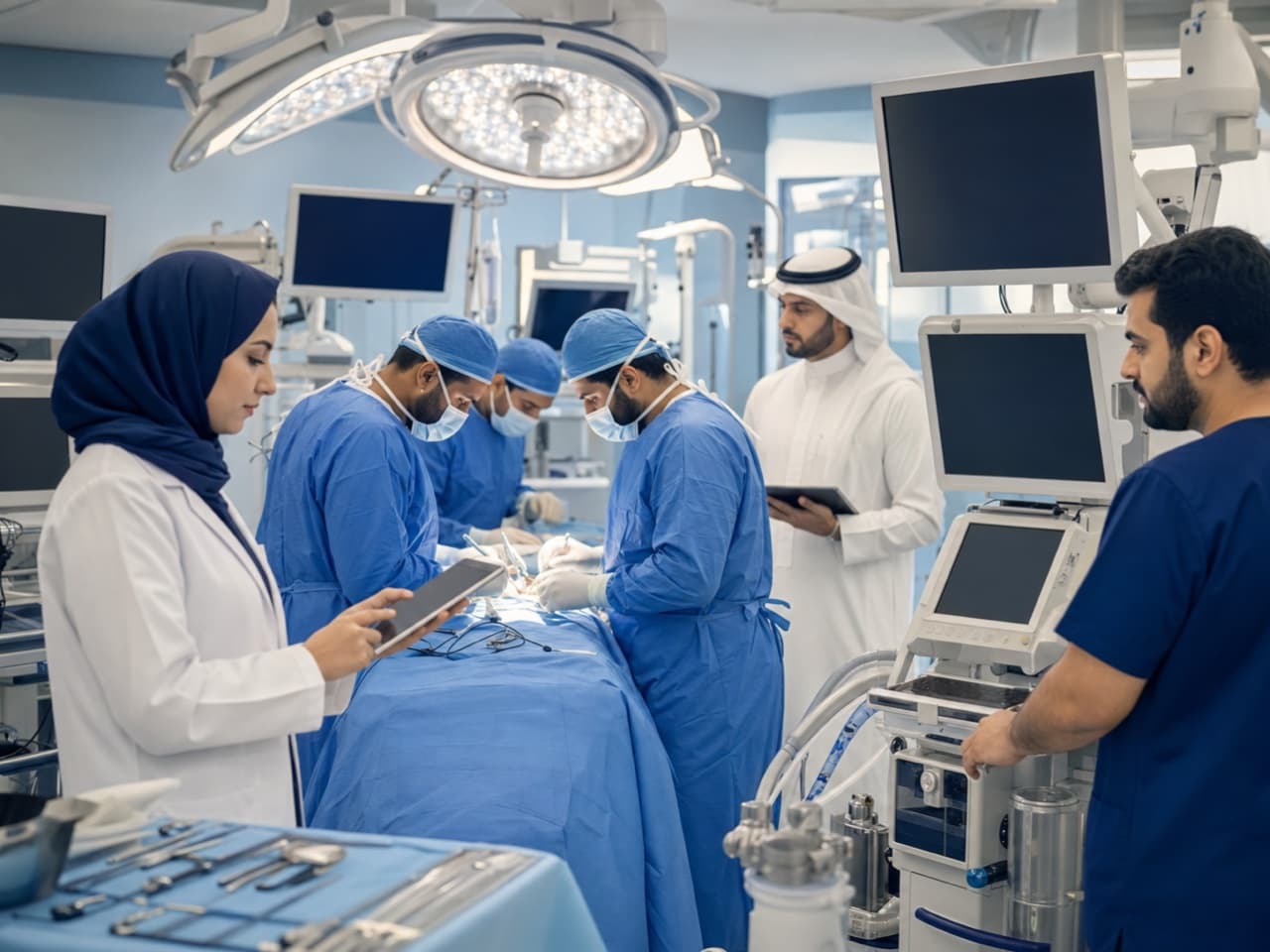
General Thoracic Surgery
Our approach to care

Comprehensive evaluation of symptoms, medical history, and physical examination focusing on the chest area. Imaging tests such as chest X-rays, CT scans, or MRIs provide detailed views of the thoracic structures and identify abnormalities. Biopsy procedures, often guided by imaging, are crucial for diagnosing conditions like lung or esophageal cancer. Pulmonary function tests assess lung capacity and function, especially important before lung surgery. Endoscopic examinations, including bronchoscopy or esophagoscopy, allow direct visualization and assessment of the airways and esophagus.

Surgical resection remains a primary treatment for lung cancer, tailored to the tumor’s size, location, and stage. Esophagectomy for esophageal cancer involves removal and reconstruction, with a focus on preserving digestive function. Procedures for pleural diseases range from minimally invasive thoracentesis to more extensive surgeries like decortication or pleurectomy. Tracheal resections and reconstructions are performed for severe tracheal strictures or tumors. Chest wall surgeries, including corrective procedures for congenital deformities or tumor resections, are customized based on the specific disorder.

Postoperative care and monitoring are essential, particularly for early detection and management of complications. Patients undergoing lung surgery are guided through pulmonary rehabilitation to optimize lung function and recovery. Nutritional support and lifestyle modifications play a key role in recovery, especially after esophageal surgery. Regular follow-up appointments are crucial for monitoring recovery progress and managing any long-term effects of the surgery. For cancer patients, coordination with oncology for any additional treatments like chemotherapy or radiation is important.

Detailed discussion of your symptoms, previous medical treatments, and any specific concerns related to your thoracic condition. Physical examination followed by diagnostic tests to evaluate the nature and extent of your thoracic condition. Our team will discuss potential surgical options, explaining the benefits, risks, and expected outcomes of each procedure. Pre-operative preparation and post-operative recovery plans will be outlined, including any necessary lifestyle changes or rehabilitation. You will have the opportunity to ask questions and express any concerns regarding your treatment and care.

More in this specialty

Cardiothoracic Surgery

Heart Transplantation and Ventricular Assist Devices

Aortic Surgery

Esophageal Surgery

Thoracic Oncology

Minimally Invasive and Robotic Thoracic Surgery

Adult Cardiac Surgery

Congenital Cardiac Surgery

KCH Jeddah app

Your consultant, in your pocket.

Book appointments, view reports, track prescriptions, in a single app.

KCH Jeddah app