
Skip to content
King's College Hospital London - Jeddah
AR
24/7 Care Line+966920066668
LocationContact UsCareersPatient PortalDr KingsHealth Library
AR
Rheumatology · Sub-specialty

Soft Tissue Rheumatism

Overview

Soft Tissue Rheumatism encompasses conditions affecting the tissues surrounding the joints, including tendons, ligaments, and muscles. These disorders, such as fibromyalgia, tendinitis, and bursitis, cause pain, stiffness, and often disability in affected areas. Our treatment focuses on relieving symptoms, improving function, and enhancing quality of life through a combination of medications, physical therapy, and lifestyle adjustments tailored to your specific needs and condition.
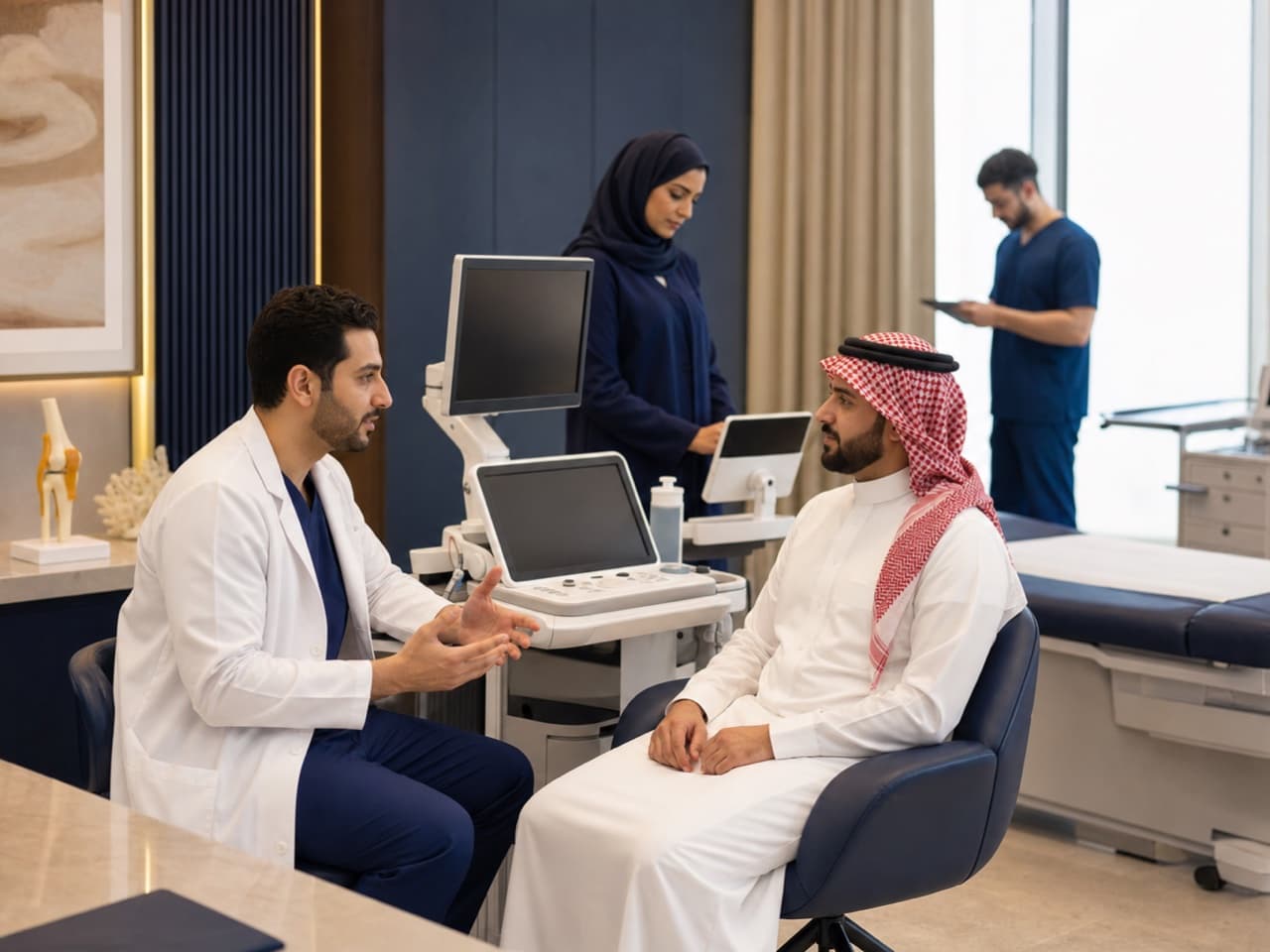
Soft Tissue Rheumatism
Our approach to care

Conduct a thorough review of your symptoms and medical history, focusing on pain patterns and any activities that exacerbate symptoms. Perform a physical examination to identify tender areas or trigger points, and assess range of motion and muscle strength. Blood tests might be conducted to rule out other conditions that mimic soft tissue rheumatism, such as rheumatoid arthritis or lupus. Imaging tests, including X-rays or MRIs, may be used to exclude bone-related causes of your symptoms. Ultrasound can be particularly useful in diagnosing conditions like tendinitis or bursitis, visualizing inflammation in tendons and bursae.

Prescribe pain relievers and anti-inflammatory medications to manage acute symptoms and reduce inflammation. Recommend physical therapy to strengthen muscles, improve flexibility, and reduce pain through specialized exercises and techniques. Utilize corticosteroid injections for rapid relief from severe inflammation in conditions like bursitis or tendinitis. Advise on the application of heat or cold to affected areas to relieve pain and reduce muscle tension. Explore alternative treatments such as acupuncture or massage therapy for additional symptom relief. Suggest ergonomic adjustments or supportive devices like orthotics or braces to reduce strain on affected tissues and promote healing.

Follow a consistent medication schedule to effectively manage pain and inflammation. Engage in a regular, gentle exercise routine to maintain muscle strength and joint flexibility. Apply ice or heat therapy as recommended to soothe pain and relax muscles. Practice good posture and ergonomic principles in daily activities to avoid unnecessary strain on affected tissues. Participate in physical therapy sessions and perform prescribed exercises at home to enhance your recovery. Consider lifestyle modifications such as stress reduction techniques and a healthy diet to support overall well-being. Stay informed about your condition and communicate openly with us about your symptoms and treatment effectiveness.

You’ll be asked to describe your pain and any activities or factors that worsen or improve your symptoms to help us understand your condition better. A detailed physical examination will assess for tenderness, swelling, and mobility issues to identify specific areas affected by soft tissue rheumatism. We may recommend further diagnostic tests or imaging to clarify your diagnosis and guide treatment planning. We’ll discuss potential treatment options, focusing on those most likely to relieve your symptoms and improve your quality of life. Instructions for exercises, use of heat or cold, and any necessary lifestyle changes will be provided to empower you in managing your condition. Follow-up appointments will be scheduled to monitor your progress and adjust your treatment plan as needed.

More in this specialty

Rheumatology

General Rheumatology

Pediatric Rheumatology

Clinical Immunology

Osteoporosis and Bone Health

Autoimmune Diseases

Vasculitis

Spondyloarthropathies

Rheumatoid Arthritis

Systemic Lupus Erythematosus

Gout and Crystal Arthropathies

KCH Jeddah app

Your consultant, in your pocket.

Book appointments, view reports, track prescriptions, in a single app.

KCH Jeddah app