
Skip to content
King's College Hospital London - Jeddah
AR
24/7 Care Line+966920066668
LocationContact UsCareersPatient PortalDr KingsHealth Library
AR
Ophthalmology · Sub-specialty

Ophthalmic Pathology

Overview

Ophthalmic Pathology focuses on diagnosing diseases of the eye and its surrounding structures through microscopic examination of tissue samples. This subspecialty is crucial for understanding the causes of ocular diseases, including infections, inflammatory conditions, and tumors, aiding in the accurate diagnosis and guiding effective treatment strategies.
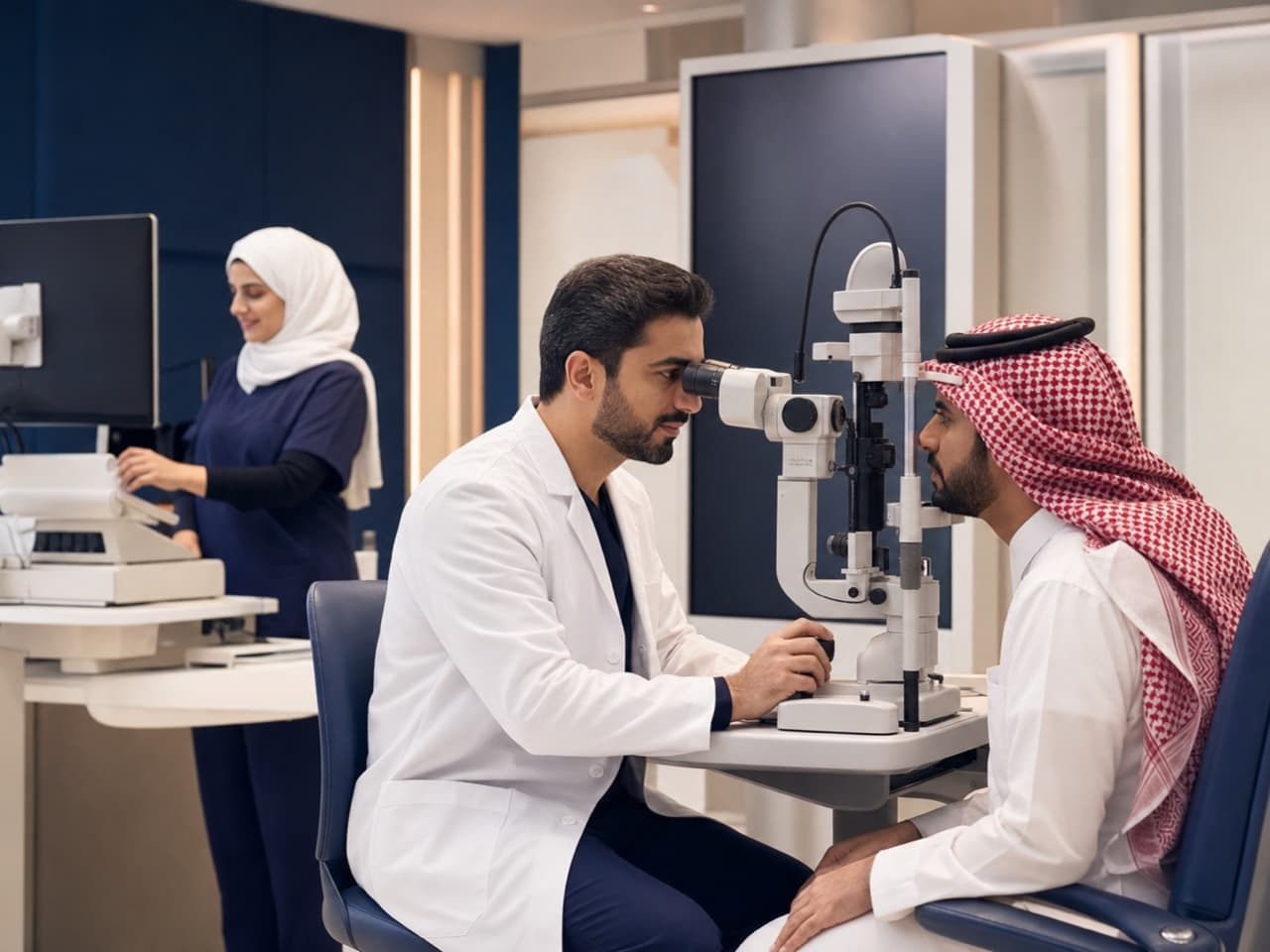
Ophthalmic Pathology
Our approach to care

Biopsy and histopathological examination provide definitive diagnosis of ocular conditions, tailored to the suspected disease based on clinical presentation. Advanced imaging techniques complement tissue analysis, offering detailed visualization of structural changes in the eye. Molecular diagnostic tests identify genetic markers and infectious agents, guiding targeted treatment approaches. Collaboration with clinical ophthalmologists ensures a comprehensive diagnostic process, integrating clinical findings with pathological insights for accurate disease characterization. Personalized diagnostic reports detail the pathological findings, including the type of inflammation, presence of infectious organisms, or characteristics of tumors, informing the treatment plan.

Targeted medical therapies are selected based on specific pathological findings, such as the use of antiviral drugs for viral retinitis or immunosuppressants for autoimmune uveitis. Surgical intervention may be indicated for ocular tumors or advanced degenerative diseases, with pathology guiding the extent of surgery and reconstruction. Regular monitoring and re-evaluation of tissue samples assess response to treatment and detect disease progression or recurrence. Collaborative care approaches involve ophthalmic pathologists in treatment planning, ensuring decisions are based on a thorough understanding of the disease’s pathological basis. Innovative treatments and clinical trials may be recommended for aggressive or rare ocular conditions, supported by pathological diagnosis and research findings.

Follow your ophthalmologist’s recommendations for biopsy or tissue sampling procedures, understanding their role in diagnosing and managing your condition. Stay informed about the results and implications of pathological analyses, engaging in discussions with your healthcare team about how these findings impact your treatment options. Adhere to prescribed treatment plans, including medications or post-operative care, to address the underlying pathology effectively. Participate in regular follow-up care, allowing for ongoing assessment of disease progression and treatment efficacy. Seek information and support for coping with diagnoses of chronic or serious ocular conditions, leveraging resources for patient education and support services.

A thorough clinical evaluation to assess symptoms and determine the need for biopsy or tissue sampling. Discussion of potential diagnoses and the role of ophthalmic pathology in identifying your condition. Informed consent process for any proposed biopsy procedures, explaining the benefits, risks, and what to expect. Coordination with ophthalmic pathology services for tissue analysis, ensuring samples are obtained and processed efficiently. Comprehensive review of pathology results with your ophthalmologist, translating complex findings into understandable terms. Personalized treatment planning based on pathological diagnosis, focusing on the best outcomes for your specific condition.

More in this specialty

Ophthalmology

General Ophthalmology

Cataract and Refractive Surgery

Glaucoma

Retina and Vitreous Diseases

Cornea and External Disease

Pediatric Ophthalmology and Strabismus

Neuro-Ophthalmology

Oculoplastic Surgery

Uveitis and Ocular Immunology

Ocular Oncology

Vision Rehabilitation

KCH Jeddah app

Your consultant, in your pocket.

Book appointments, view reports, track prescriptions, in a single app.

KCH Jeddah app