
Skip to content
King's College Hospital London - Jeddah
AR
24/7 Care Line+966920066668
LocationContact UsCareersPatient PortalDr KingsHealth Library
AR
Ophthalmology · Sub-specialty

Neuro-Ophthalmology

Overview

Neuro-Ophthalmology bridges the fields of neurology and ophthalmology, focusing on visual problems that arise from the nervous system. This subspecialty deals with conditions affecting the optic nerve, visual pathways, and eye movement control, including optic neuritis, papilledema, and cranial nerve palsies. Treatment approaches vary from medical management to surgical interventions, aiming to preserve or restore vision and address the underlying neurological conditions.
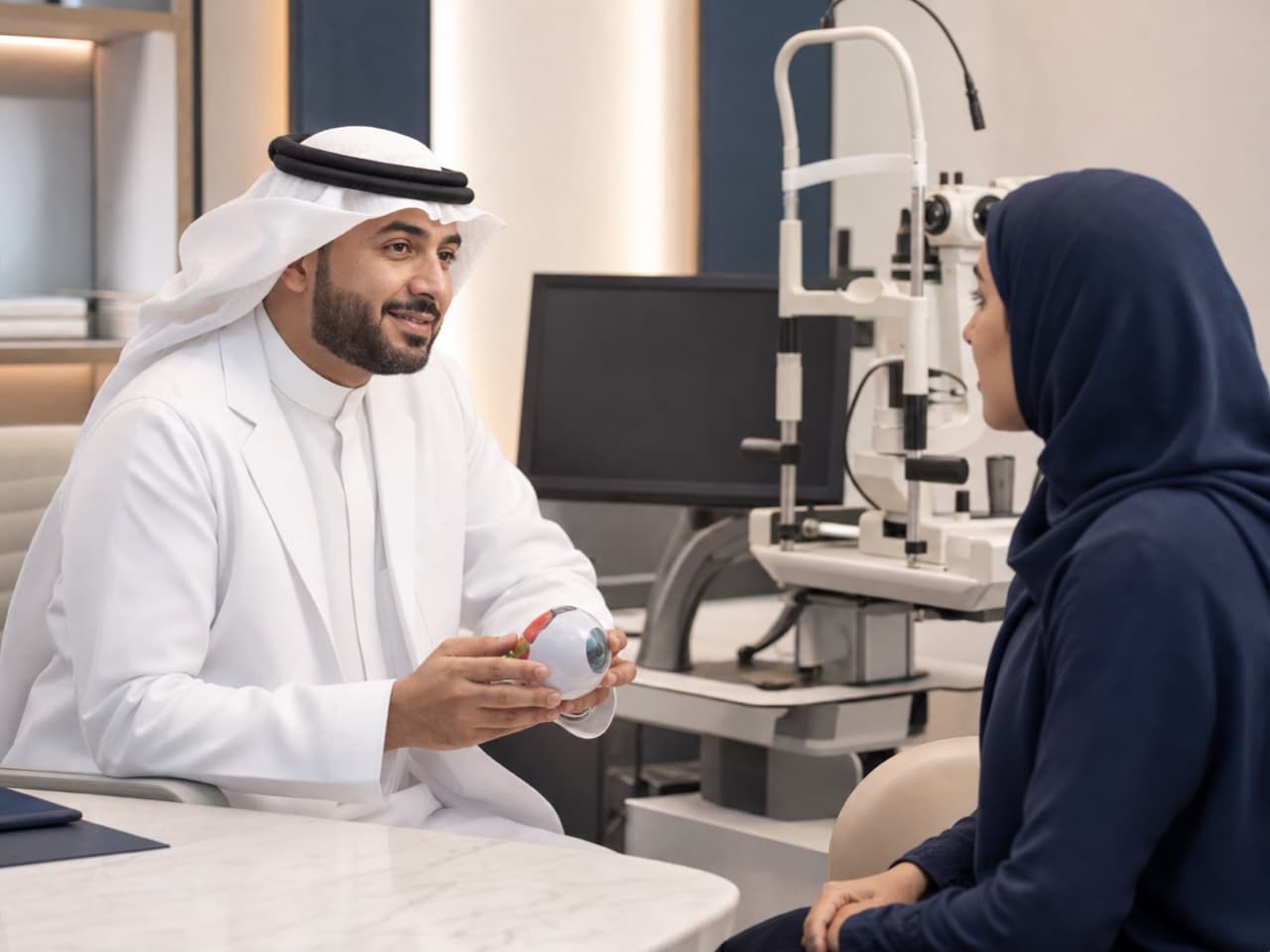
Neuro-Ophthalmology
Our approach to care

Comprehensive neurological and eye examinations assess visual function, eye movement, and the appearance of the optic nerve. Visual field testing evaluates peripheral vision loss, a key indicator of neuro-ophthalmic conditions. Optical coherence tomography (OCT) measures the thickness of the retinal nerve fiber layer, detecting optic nerve damage. MRI and CT scans identify lesions or abnormalities in the brain and orbit affecting vision. Blood tests, including markers for inflammation like ESR and CRP, help diagnose conditions such as GCA. Lumbar puncture may be performed to measure intracranial pressure in cases of papilledema and to analyze cerebrospinal fluid.

Steroid therapy for conditions like optic neuritis and GCA reduces inflammation and prevents vision loss. Surgical interventions for cranial nerve palsies may include strabismus surgery to correct eye misalignment. Management of intracranial pressure in papilledema involves medication or surgical procedures to relieve pressure. Collaborative care with neurology and rheumatology addresses underlying systemic conditions impacting vision. Prism lenses for temporary relief of double vision caused by cranial nerve palsies. Regular monitoring and adjustments to treatment plans based on disease progression and response to therapy.

Adhere to prescribed medications, understanding their role in managing your condition and preventing vision loss. Regular follow-up appointments monitor the effectiveness of treatment and any changes in your condition. Report new symptoms or changes in vision promptly, allowing for early detection and management of complications. Engage in lifestyle modifications recommended by your healthcare team, supporting overall health and potentially reducing the impact of neuro-ophthalmic conditions. Educate yourself about your condition, leveraging resources provided by your neuro-ophthalmologist to better understand treatment options and expectations.

A detailed review of your medical history and symptoms, focusing on both neurological and visual aspects. Comprehensive visual and neurological assessments to evaluate eye health, visual function, and potential neurological connections. Discussion of diagnostic findings and treatment options, with a clear explanation of the nature of your condition and how it affects your vision and overall health. A personalized treatment plan developed to address your specific needs, including medical management, potential surgical options, and follow-up care. Guidance on managing your condition, including medication adherence, monitoring for changes, and strategies to cope with symptoms and preserve vision.

More in this specialty

Ophthalmology

General Ophthalmology

Cataract and Refractive Surgery

Glaucoma

Retina and Vitreous Diseases

Cornea and External Disease

Pediatric Ophthalmology and Strabismus

Oculoplastic Surgery

Uveitis and Ocular Immunology

Ocular Oncology

Ophthalmic Pathology

Vision Rehabilitation

KCH Jeddah app

Your consultant, in your pocket.

Book appointments, view reports, track prescriptions, in a single app.

KCH Jeddah app