
Skip to content
King's College Hospital London - Jeddah
AR
24/7 Care Line+966920066668
LocationContact UsCareersPatient PortalDr KingsHealth Library
AR
Neurology · Sub-specialty

Pediatric Neurology

Overview

Pediatric Neurology focuses on diagnosing and treating neurological disorders in children from infancy through adolescence. This subspecialty addresses conditions affecting a child’s nervous system and muscles, including developmental disorders, epilepsy, and congenital anomalies. Pediatric neurologists employ specialized knowledge and approaches tailored to the unique needs of children, aiming to improve their developmental outcomes, manage symptoms, and support families in navigating the complexities of neurological care.
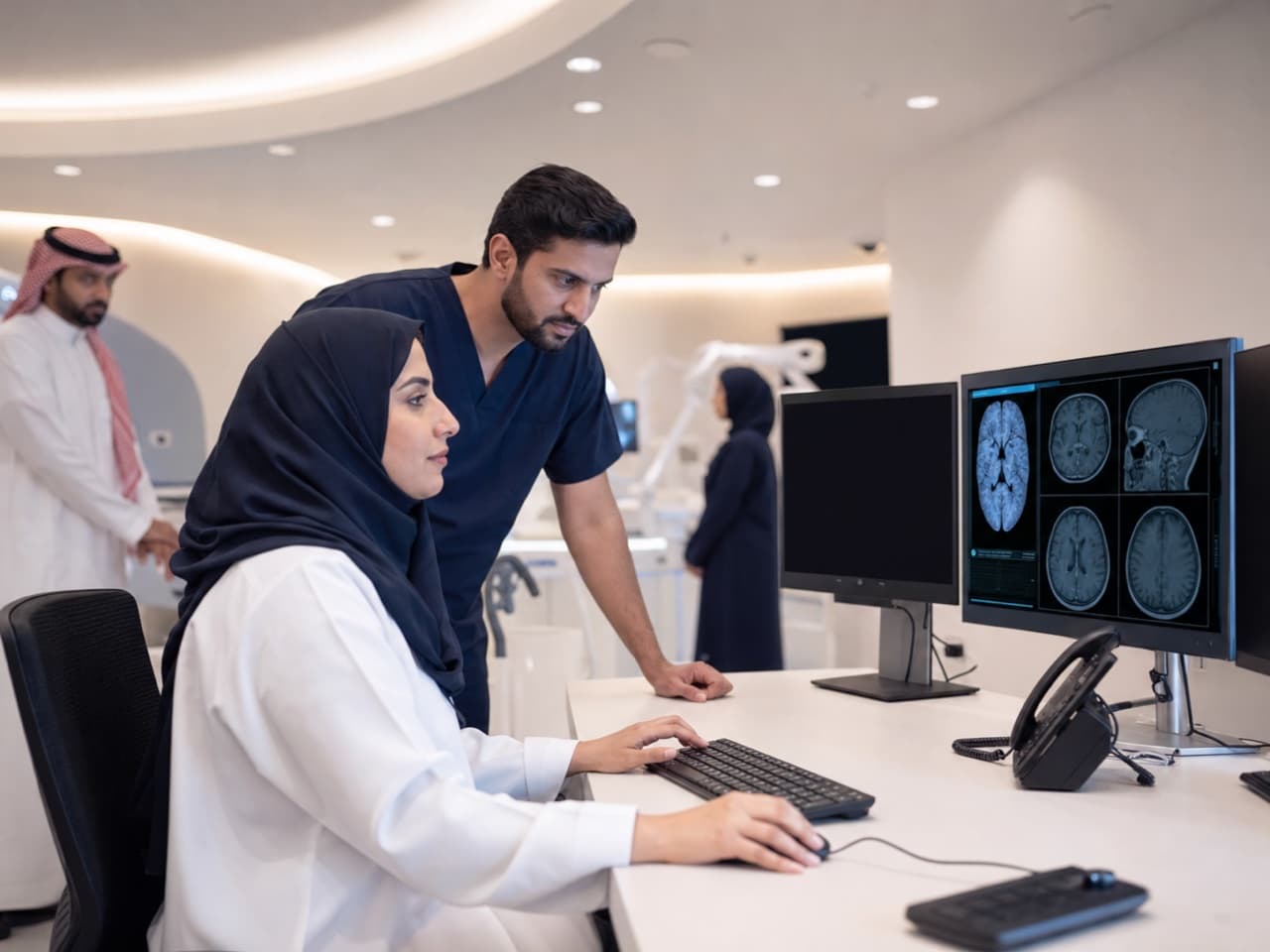
Pediatric Neurology
Our approach to care

A comprehensive developmental history and physical examination will be the first steps in diagnosing neurological conditions in children. Genetic testing can identify chromosomal abnormalities linked to neurogenetic disorders like Down syndrome and Fragile X syndrome. Neuroimaging techniques, such as MRI and CT scans, are used to visualize brain structure and identify abnormalities contributing to conditions like cerebral palsy. EEG is essential for diagnosing epilepsy, capturing electrical activity in the brain that indicates seizure disorders. Behavioral assessments and questionnaires help diagnose ADHD and autism by evaluating symptoms consistent with these conditions. Neuropsychological testing assesses cognitive function and can pinpoint specific learning disabilities or developmental delays. Early intervention assessments determine the specific needs of children with developmental disorders, guiding appropriate therapy and support services.

Behavioral therapy is a cornerstone for treating ADHD and autism, focusing on improving communication, social skills, and behavior management. Medications may be prescribed to manage seizures in epilepsy, attention issues in ADHD, and muscle spasticity in cerebral palsy. Physical and occupational therapy are critical for children with cerebral palsy and other motor disorders, aiming to enhance mobility and daily function. Speech therapy supports children with autism, cerebral palsy, and neurogenetic disorders, improving communication skills and language development. Special educational programs and accommodations ensure that children with neurological disorders receive appropriate support in school settings. Dietary interventions, such as the ketogenic diet, have been effective in managing epilepsy in some children. Surgical interventions, including orthopedic surgery for cerebral palsy and epilepsy surgery for drug-resistant seizures, are considered when conservative treatments are insufficient.

Regular monitoring and evaluations with a pediatric neurologist are essential to adjust treatments as the child grows and develops. Engaging in early intervention programs provides access to therapies that support developmental milestones and educational achievement. Families should seek support from community resources and advocacy groups to navigate the challenges of raising a child with a neurological disorder. Implementing structured routines and positive reinforcement techniques can significantly benefit children with ADHD and autism. Educational plans, including Individualized Education Programs (IEPs), tailor learning experiences to meet the needs of children with neurological conditions. Caregivers should be educated on emergency care for seizures and other acute symptoms associated with neurological disorders. Psychological support for the child and family helps manage the emotional and social impacts of living with a chronic neurological condition.

The pediatric neurologist will conduct a detailed interview about the child’s medical history, developmental milestones, and presenting symptoms. A comprehensive neurological examination will assess motor skills, reflexes, cognitive abilities, and sensory responses. Specific diagnostic tests, including genetic screening or EEG, may be scheduled to pinpoint the underlying cause of the child’s symptoms. Treatment options will be discussed, emphasizing a multidisciplinary approach tailored to the child’s individual needs. The neurologist will provide guidance on managing the condition at home, including medication administration, therapy exercises, and educational strategies. Referrals to specialized therapists, such as speech or occupational therapists, might be made to address specific developmental needs. Follow-up appointments will be planned to monitor progress, with adjustments to the treatment plan as necessary. Families will receive support and resources to help understand and cope with their child’s condition, ensuring they are not navigating the journey alone.

More in this specialty

Neurology

General Neurology

Neuro-oncology

Neuromuscular Medicine

Epilepsy and Clinical Neurophysiology

Stroke and Cerebrovascular Diseases

Neurocritical Care

Movement Disorders

Cognitive and Behavioral Neurology

Multiple Sclerosis and Neuroimmunology

Headache Medicine

Sleep Medicine in Neurology

KCH Jeddah app

Your consultant, in your pocket.

Book appointments, view reports, track prescriptions, in a single app.

KCH Jeddah app