
Skip to content
King's College Hospital London - Jeddah
AR
24/7 Care Line+966920066668
LocationContact UsCareersPatient PortalDr KingsHealth Library
AR
Neurology · Sub-specialty

Multiple Sclerosis and Neuroimmunology

Overview

Multiple Sclerosis (MS) and Neuroimmunology encompass disorders where the immune system mistakenly attacks the nervous system, leading to diverse neurological symptoms. This field focuses on understanding, diagnosing, and treating autoimmune neurological disorders, including MS, neuromyelitis optica (NMO), and autoimmune encephalitis. Our approach integrates the latest in immunomodulatory treatments, rehabilitation, and supportive care to manage symptoms, prevent relapses, and improve quality of life for individuals facing these complex conditions.
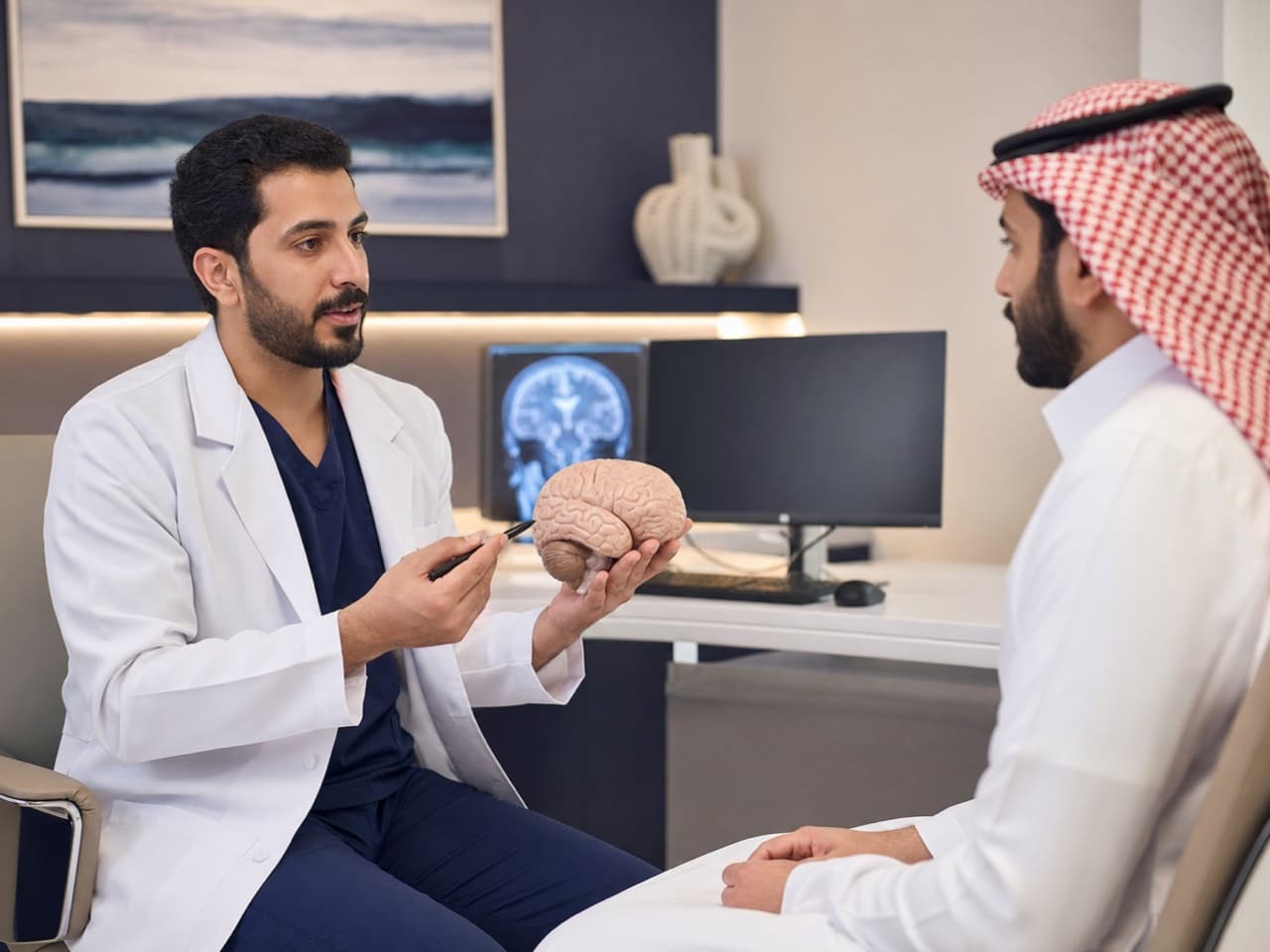
Multiple Sclerosis and Neuroimmunology
Our approach to care

We’ll conduct a comprehensive neurological examination to assess symptoms like vision changes, muscle weakness, and coordination issues, providing us with initial insights into your condition. You’ll undergo MRI scans to detect any signs of inflammation or lesions in your central nervous system, crucial for diagnosing MS and related neuroimmunological disorders. We may perform lumbar puncture procedures to analyze your cerebrospinal fluid for markers of inflammation or antibodies associated with neuroimmunological conditions. You might need blood tests to rule out other conditions with similar symptoms and to identify specific biomarkers relevant to your diagnosis. We’ll consider evoked potentials tests to measure your nervous system’s electrical activity, helping us detect any delayed responses due to demyelination or nerve damage.

We’ll prescribe disease-modifying therapies aimed at reducing the frequency and severity of relapses in MS, tailoring our choice of medication to your specific form of the disease. You may receive corticosteroids or undergo plasma exchange during relapses to quickly reduce inflammation and improve symptoms. We’ll recommend symptomatic treatments to manage issues like muscle spasticity, pain, or fatigue, improving your daily functioning and quality of life. You’ll be encouraged to participate in physical and occupational therapy programs designed to maintain or improve mobility, strength, and independence. We’ll discuss lifestyle modifications, including diet and exercise, that can support your overall health and potentially influence the course of your condition.

We’ll develop a long-term management plan that includes regular monitoring of your condition through clinical assessments and periodic MRI scans. You’re encouraged to join patient support groups and educational programs to connect with others facing similar challenges and to stay informed about advances in treatment. We’ll provide guidance on managing fatigue, one of the most common symptoms, through energy conservation techniques and lifestyle adjustments. You’ll have access to mental health support, acknowledging the emotional and psychological impact of living with a chronic neuroimmunological condition. We’ll ensure you’re informed about the latest research and treatment options, including potential participation in clinical trials that may offer access to innovative therapies.

We’ll begin with an in-depth discussion about your symptoms, how they’ve progressed, and any impact they’ve had on your life, to gain a full understanding of your experiences. You’ll undergo specialized tests and assessments designed to diagnose or monitor your condition, with explanations provided for each procedure. We’ll review the results with you, explaining the findings and what they mean for your diagnosis and treatment plan. Together, we’ll explore all available treatment options, considering both the benefits and potential side effects, to make informed decisions about your care. You’ll receive comprehensive information on managing your condition, including symptom management strategies, support services, and lifestyle recommendations. We’ll schedule follow-up appointments to assess the effectiveness of your treatment, make necessary adjustments, and provide continuous support.

More in this specialty

Neurology

General Neurology

Pediatric Neurology

Neuro-oncology

Neuromuscular Medicine

Epilepsy and Clinical Neurophysiology

Stroke and Cerebrovascular Diseases

Neurocritical Care

Movement Disorders

Cognitive and Behavioral Neurology

Headache Medicine

Sleep Medicine in Neurology

KCH Jeddah app

Your consultant, in your pocket.

Book appointments, view reports, track prescriptions, in a single app.

KCH Jeddah app