
Skip to content
King's College Hospital London - Jeddah
AR
24/7 Care Line+966920066668
LocationContact UsCareersPatient PortalDr KingsHealth Library
AR
Neurosurgery · Sub-specialty

Skull Base Surgery

Overview

Skull Base Surgery focuses on conditions and tumors located at the base of the skull, an area where the brain connects with the spinal cord and where numerous critical nerves and blood vessels pass. This highly specialized field combines expertise from neurosurgery, otolaryngology, and other disciplines, utilizing advanced surgical techniques to access and treat these complex regions with the goals of minimizing neurological damage and preserving function.
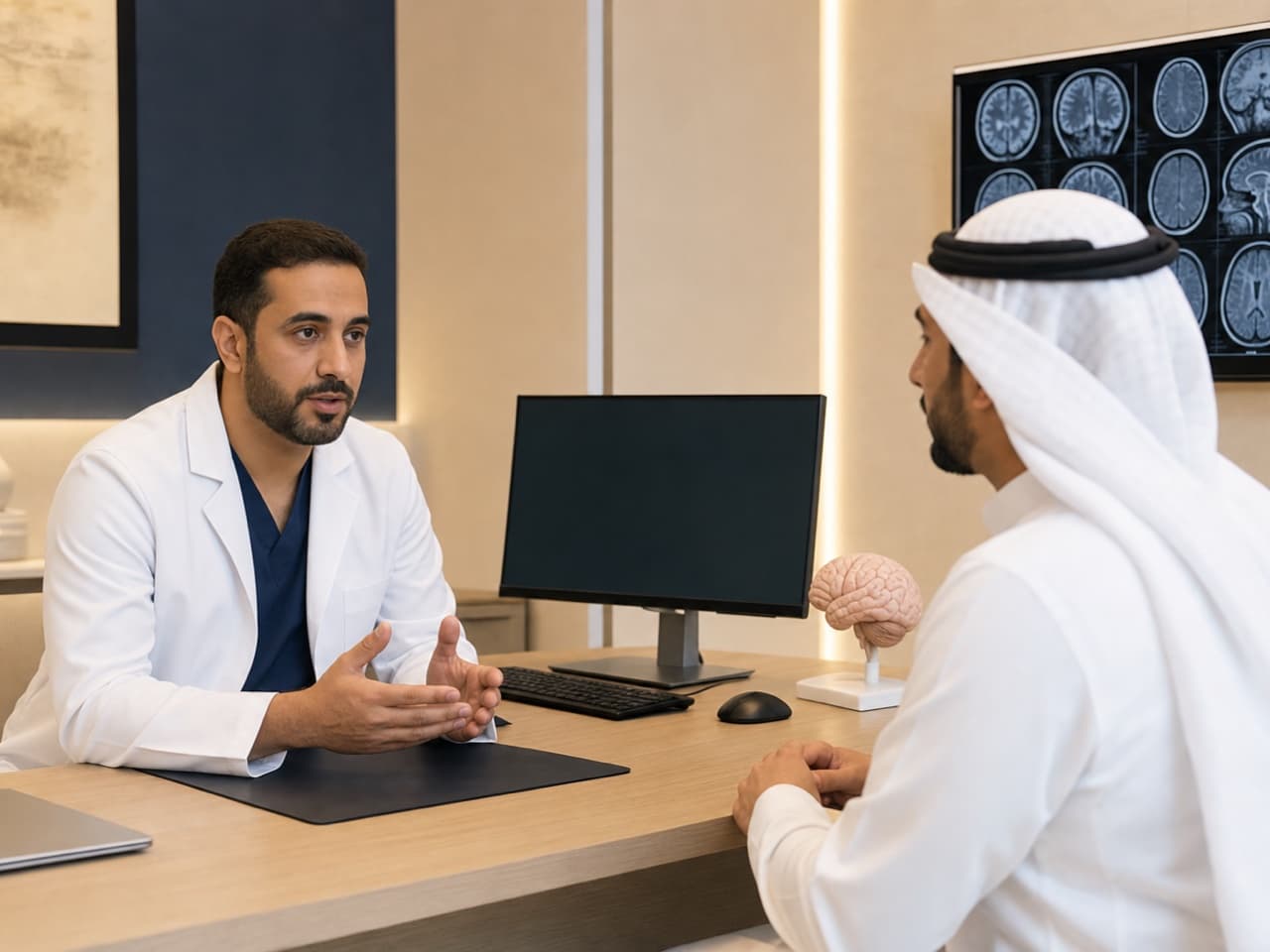
Skull Base Surgery
Our approach to care

You’ll undergo comprehensive imaging studies, such as MRI or CT scans, to accurately locate and assess the extent of the condition. A detailed neurological examination will be performed to evaluate any symptoms related to the skull base condition. Endoscopic examination may be conducted for conditions accessible via the nasal passages, offering direct visualization. Audiological and visual assessments might be necessary for conditions affecting hearing and sight, like acoustic neuromas or pituitary tumors. Biopsy procedures could be recommended to confirm the diagnosis of tumors or malignancies.

Surgical interventions will be carefully planned, utilizing minimally invasive techniques when possible to reduce recovery time and complications. Radiation therapy, including precise techniques like proton therapy, may be offered as a standalone treatment or following surgery. Hormone replacement therapy might be initiated for conditions affecting pituitary function, ensuring your hormonal balance is maintained. Physical and occupational therapy will be provided as part of the recovery process, especially for surgeries affecting balance or motor functions. Regular monitoring and follow-up imaging will be scheduled to detect any recurrence or changes in your condition early.

Follow post-operative care instructions closely to promote healing and reduce the risk of complications. Attend all scheduled follow-up appointments to monitor your recovery and manage any long-term effects of surgery. Stay informed about your condition and treatment plan, understanding the reasons behind each recommendation and what to expect. Engage in prescribed rehabilitation programs to regain strength, balance, and functionality. Reach out to support groups or counseling services for emotional support and to connect with others who have undergone similar experiences.

Our team will conduct a thorough review of your medical history and symptoms, ensuring a comprehensive understanding of your condition. You’ll be guided through the diagnostic process, with explanations of each test’s purpose and how they contribute to your treatment plan. Treatment options will be discussed in-depth, focusing on your specific needs and preferences, and addressing any concerns you may have. A personalized care plan will be developed, outlining the steps before, during, and after treatment, with clear communication at every stage. Support and resources will be made available to help you through the treatment process, from logistical preparations to post-surgery recovery.

More in this specialty

Neurosurgery

General Neurosurgery

Neuro-Oncology (Brain Tumors)

Spinal Neurosurgery

Functional Neurosurgery

Cerebrovascular Surgery

Endovascular Neurosurgery

KCH Jeddah app

Your consultant, in your pocket.

Book appointments, view reports, track prescriptions, in a single app.

KCH Jeddah app