
Endodontics is the dental specialty concerned with the study and treatment of the dental pulp and tissues surrounding the root of a tooth. It includes the diagnosis and treatment of diseases and injuries of the dental pulp or the nerve of the tooth. The most common endodontic treatment is a root canal, a procedure to remove infected material and relieve pain.
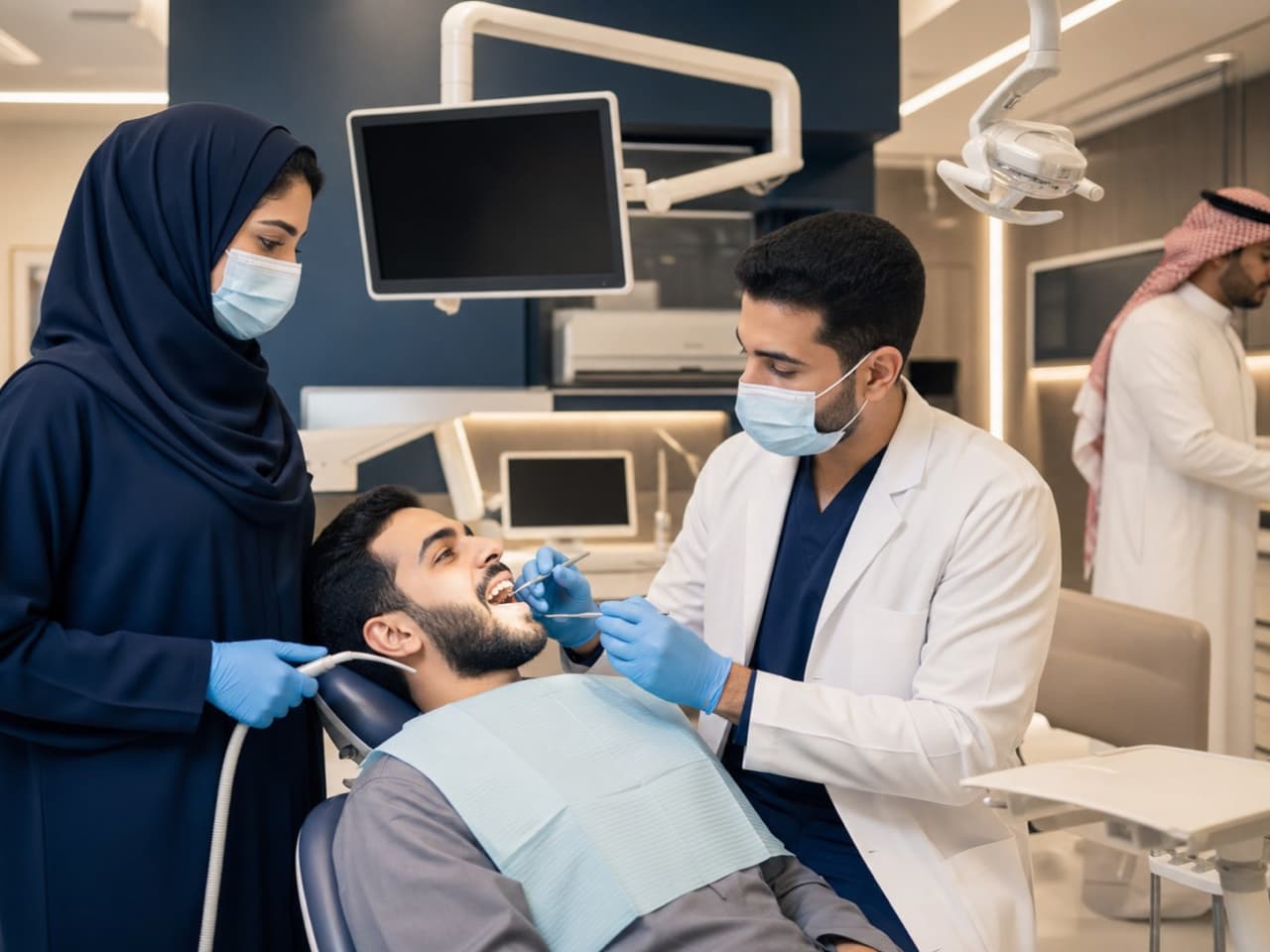
During your initial consultation, we’ll review your dental and medical history and perform a thorough examination, including digital X-rays or 3D imaging, to assess the extent of the infection or damage. Symptoms such as prolonged tooth sensitivity, pain from chewing, or facial swelling will guide our diagnosis and treatment plan. We use specialized equipment, including microscopes and ultrasonic tools, to enhance precision in diagnosing and treating root canal issues. A pulp vitality test may be conducted to determine if the pulp is alive, inflamed, or dead, aiding in the decision for root canal therapy or other treatments. For traumatic dental injuries, immediate assessment and possibly emergency treatment will be prioritized to save the affected tooth or teeth.
Root canal therapy involves the removal of the infected or damaged pulp, cleaning and shaping the canal system, and then filling and sealing the canals to prevent re-infection. For apical periodontitis, treatment may include root canal therapy or surgical endodontics like apicoectomy if non-surgical treatment doesn’t resolve the infection. In cases of dental trauma, treatment options include repositioning and stabilization of displaced teeth, root canal therapy for avulsed (knocked-out) teeth that have been properly reimplanted, and treatment for soft tissue injuries. Cracked teeth may require a root canal to remove damaged pulp and a crown to restore functionality and appearance. Endodontic retreatment or endodontic surgery, such as apicoectomy, may be recommended for teeth that have not healed as expected after initial treatment.
Schedule regular dental checkups to detect potential problems early and prevent complications. Practice good oral hygiene by brushing twice daily with fluoride toothpaste and flossing once a day to reduce the risk of root canal infections. Use a soft-bristled toothbrush and gentle brushing techniques to avoid damaging your teeth and gums. Limit your intake of sugary foods and acidic beverages to prevent tooth decay, which can lead to endodontic issues. Wear a mouthguard during sports or recreational activities to protect your teeth from injury and potential endodontic damage. If you have had a root canal treatment, follow your dentist’s aftercare instructions carefully to ensure proper healing. Report any symptoms of tooth pain or sensitivity to your dentist promptly to address potential endodontic issues before they escalate. Consider using a therapeutic mouthwash as part of your daily routine to help control bacteria that can cause tooth decay and gum disease. Be mindful of clenching or grinding your teeth, as this can contribute to the need for endodontic treatments. Discuss potential solutions with your dentist. Stay informed about the latest endodontic treatments and technologies by asking your dentist or endodontist questions during your visits.
You’ll be asked about your dental and medical history, including any symptoms you’re experiencing. A thorough examination of the affected tooth and surrounding gums will be conducted, often accompanied by X-rays to diagnose the issue accurately. Your endodontist will explain the findings and discuss whether root canal treatment or another endodontic procedure is necessary. If a procedure is needed, details about the steps involved, anesthesia options, and what to expect during recovery will be provided. You’ll receive instructions on caring for your tooth post-treatment, including pain management and when to return for a follow-up. The visit will include advice on long-term tooth care to prevent future endodontic problems. Any questions or concerns you have will be addressed, ensuring you feel informed and prepared for your treatment.
Dentistry
Your consultant, in your pocket.
Book appointments, view reports, track prescriptions, in a single app.
