
Skip to content
King's College Hospital London - Jeddah
AR
24/7 Care Line+966920066668
LocationContact UsCareersPatient PortalDr KingsHealth Library
AR
Cardiology · Sub-specialty

Electrophysiology

Overview

Electrophysiology is a cardiology subspecialty focusing on diagnosing and treating heart rhythm disorders. Electrophysiologists are experts in the heart’s electrical system and are adept at addressing conditions like atrial fibrillation, ventricular tachycardia, and other arrhythmias. They use advanced diagnostic tools like electrophysiology studies (EPS) and treatments including medication, catheter ablation, and implantable devices such as pacemakers and defibrillators. Understanding the nuances of heart rhythm disorders is critical, as these conditions can significantly impact heart function and overall health.
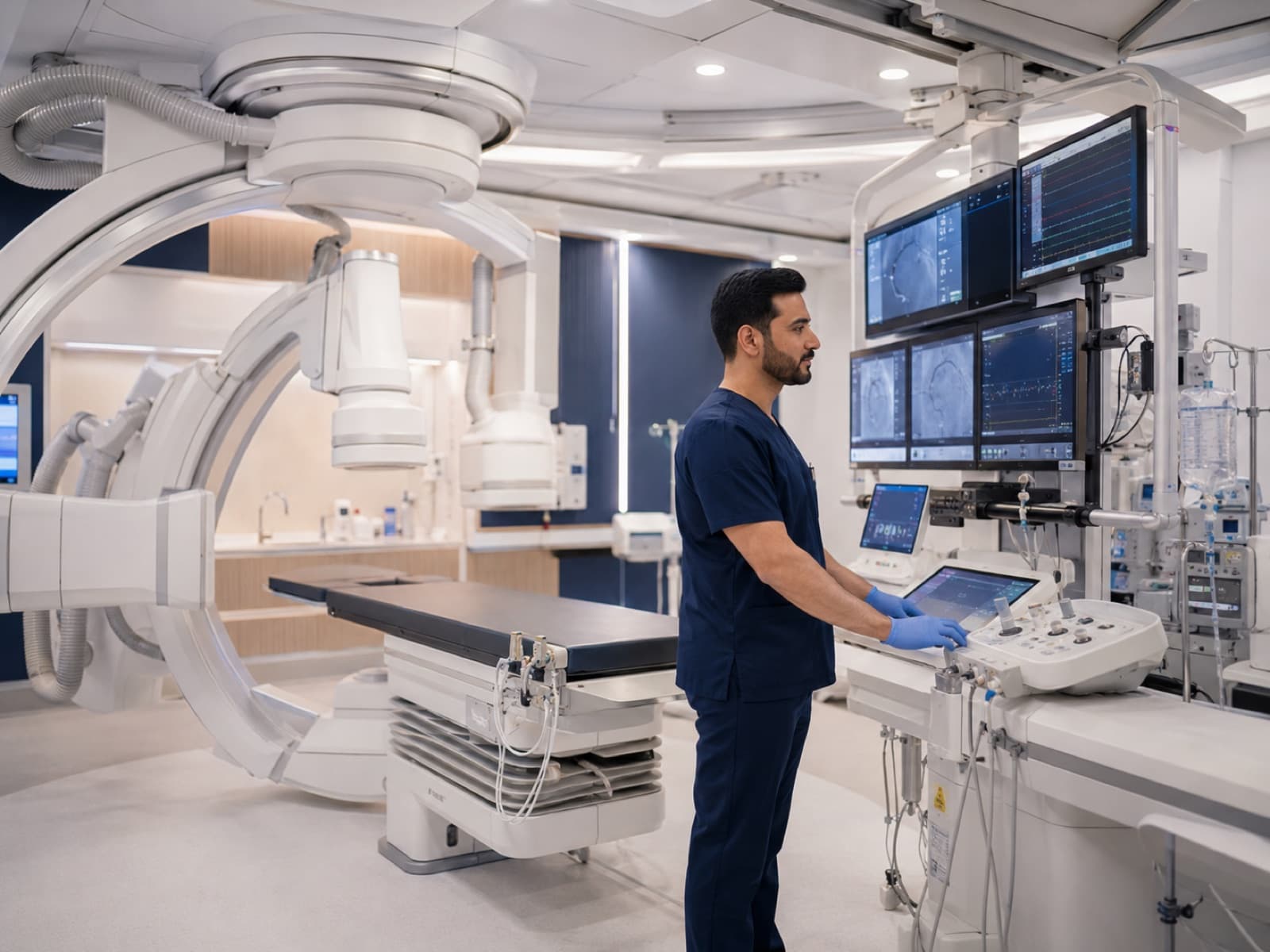
Electrophysiology
Our approach to care

A detailed evaluation of your symptoms and medical history is essential in diagnosing heart rhythm disorders. An Electrocardiogram (ECG) is performed to record the electrical activity of your heart and identify any irregularities. For a more comprehensive analysis, a Holter monitor or an event recorder may be used to track your heart’s rhythm over a period of time. An Electrophysiology Study (EPS) involves threading catheters to your heart to study its electrical signals and pinpoint areas causing arrhythmias. Additional tests like an echocardiogram or stress test might be conducted to assess the overall health of your heart.

Medications such as antiarrhythmics and beta-blockers are often the first line of treatment to manage heart rhythm disorders. Catheter ablation, a procedure to destroy small areas of heart tissue causing arrhythmias, is a common treatment for many types of rapid heart rhythms. Implantable devices like pacemakers and defibrillators are used to regulate or correct heart rhythms and prevent sudden cardiac death. In some cases, lifestyle changes, including diet and exercise modifications, can help manage symptoms and reduce the frequency of arrhythmia episodes. For genetic conditions like Long QT Syndrome, family screening and genetic counseling might be recommended.

Follow the medication regimen as prescribed and regularly monitor your heart rate and rhythm. Maintain a heart-healthy lifestyle, including a balanced diet, regular exercise, and avoiding triggers like caffeine and alcohol. Be aware of the symptoms that indicate worsening of your condition, such as increased palpitations, dizziness, or shortness of breath. Regular follow-ups with your electrophysiologist are crucial for monitoring your condition and adjusting treatments as necessary. Engage in stress reduction techniques and quit smoking, as these can positively influence heart rhythm control.

Your visit will involve a comprehensive assessment of your heart health, focusing on any symptoms related to heart rhythm. We’ll discuss your medical history, conduct a physical examination, and likely recommend diagnostic tests like an ECG. If you’re undergoing an EPS or other procedures, we’ll explain the process, risks, and what to expect during and after the procedure. You’ll receive detailed information about your treatment options and personalized advice on managing your condition. Our team is committed to providing you with clear communication and support throughout your diagnosis and treatment journey. Conclusion Electrophysiology plays a vital role in understanding and managing heart rhythm disorders. With advanced diagnostic tools and a range of treatment options, our goal is to provide you with effective care tailored to your specific needs. We encourage you to actively participate in your treatment plan and lifestyle adjustments to achieve the best possible outcomes for your heart health. Remember, regular monitoring and proactive management are key in maintaining a healthy heart rhythm and overall well-being.

More in this specialty

Cardiology

Heart Failure & Transplant Cardiology

Pediatric Cardiology

Preventive Cardiology

Adult Congenital Heart Disease (ACHD)

Cardio-Oncology

Sports Cardiology

General Cardiology

Interventional Cardiology

KCH Jeddah app

Your consultant, in your pocket.

Book appointments, view reports, track prescriptions, in a single app.

KCH Jeddah app