
Skip to content
King's College Hospital London - Jeddah
AR
24/7 Care Line+966920066668
LocationContact UsCareersPatient PortalDr KingsHealth Library
AR
Cardiology · Sub-specialty

Cardio-Oncology

Overview

Cardio-Oncology is an emerging field focused on the intersection of heart health and cancer treatment. It addresses the cardiac complications that can arise in cancer patients, both during and after treatment. This specialty is vital for managing the cardiovascular side effects of certain cancer therapies, including chemotherapy and radiation, which can affect heart function. Cardio-oncologists work closely with oncologists to balance effective cancer treatment with minimizing cardiac risk, ensuring a comprehensive approach to patient care.
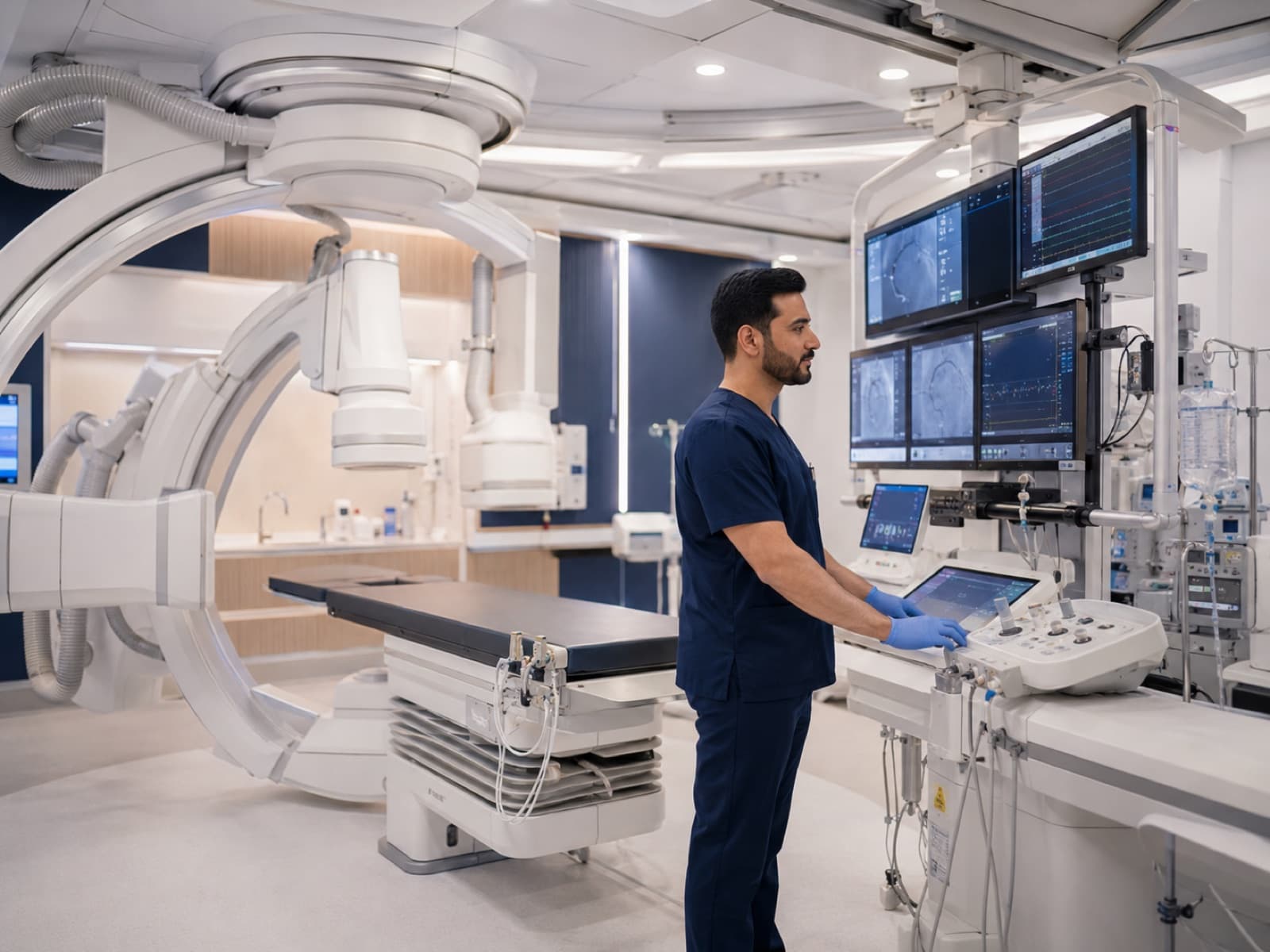
Cardio-Oncology
Our approach to care

Cardio-oncology diagnosis begins with a thorough evaluation of the patient’s cancer history, treatment regimens, and any cardiovascular symptoms. Echocardiograms are routinely used to assess heart function and structure, particularly in patients undergoing or having undergone cardiotoxic cancer therapies. Cardiac biomarkers may be measured to detect early signs of heart damage related to cancer treatment. Advanced imaging techniques, like cardiac MRI, can be used for detailed assessment, especially in complex cases. Regular monitoring, including blood pressure and cholesterol checks, is essential for early detection of cardiovascular issues in cancer patients and survivors.

For chemotherapy-induced cardiotoxicity, treatment may involve adjusting cancer therapies and prescribing heart-protective medications like ACE inhibitors or beta-blockers. Management of radiation-induced heart disease includes addressing specific conditions such as coronary artery disease or valvular heart problems, potentially through medical or surgical interventions. Heart failure in cancer patients is treated with standard heart failure therapies, tailored to accommodate ongoing cancer treatments. Pericardial disease treatment may include medications to reduce inflammation or procedures to drain excess fluid. Lifestyle modifications and management of traditional cardiovascular risk factors are integral to the care of cancer survivors to reduce the risk of future heart disease.

Ongoing collaboration between the patient’s oncology and cardiology teams is crucial to ensure coordinated care and optimal management of both cancer and heart health. Patients are educated about the potential cardiovascular risks associated with their cancer treatments and the importance of regular cardiac monitoring. Adherence to cardiovascular medications and lifestyle recommendations is emphasized, particularly in the context of cancer treatment and survivorship. Regular follow-up visits are scheduled for continuous evaluation and timely management of any developing cardiac conditions. Emotional and psychological support is provided, recognizing the complex challenges faced by patients dealing with both cancer and heart disease.

During your cardio-oncology visit, we will discuss your detailed medical history, focusing on both your cancer journey and any heart-related symptoms or concerns. A comprehensive cardiac assessment will be performed, including necessary diagnostic tests tailored to your specific needs. Our team will explain the results of these tests and discuss how your cancer treatment may impact your heart health. We will develop a personalized plan to manage any cardiac issues, aligning it with your oncology treatment plan. You will be supported throughout the process, with our team available to answer any questions and provide guidance.

More in this specialty

Cardiology

Heart Failure & Transplant Cardiology

Pediatric Cardiology

Preventive Cardiology

Adult Congenital Heart Disease (ACHD)

Sports Cardiology

General Cardiology

Electrophysiology

Interventional Cardiology

KCH Jeddah app

Your consultant, in your pocket.

Book appointments, view reports, track prescriptions, in a single app.

KCH Jeddah app