
Skip to content
King's College Hospital London - Jeddah
AR
24/7 Care Line+966920066668
LocationContact UsCareersPatient PortalDr KingsHealth Library
AR
Medical Imaging · Sub-specialty

Interventional Radiology

Overview

Interventional Radiology (IR) utilizes minimally invasive image-guided procedures to diagnose and treat various conditions. Our goal is to offer alternatives to open surgery with less risk, pain, and recovery time. Through techniques such as angioplasty, stent placement, and embolization, we address issues within the vascular system, cancers, and more, enhancing patient outcomes with precision and innovative care.
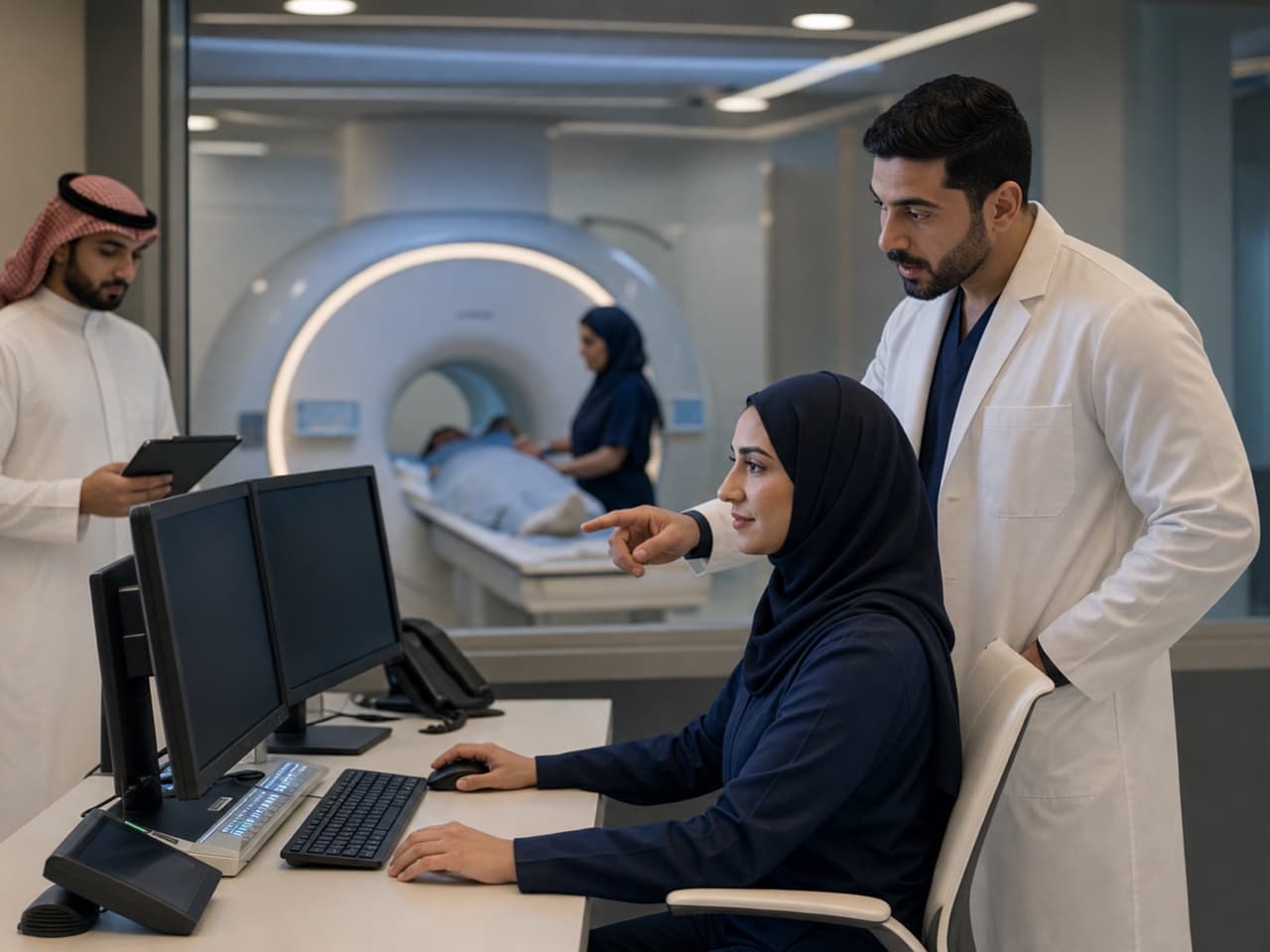
Interventional Radiology
Our approach to care

Consult with you to understand your symptoms and review your medical history, guiding the choice of interventional procedures. Perform imaging studies, such as ultrasound, CT, or MRI, to plan your procedure accurately. Discuss potential interventional radiology treatments based on your condition and imaging results. Blood tests may be necessary to evaluate your overall health and ensure you’re a candidate for certain procedures. We might use diagnostic angiography to visualize blood vessels and assess the need for treatments like angioplasty or embolization. Pre-procedure evaluations will ensure you’re fully informed and prepared, discussing risks, benefits, and any required preparations.

Offer minimally invasive alternatives to surgery for a variety of conditions, including vascular diseases, cancers, and more. Utilize embolization techniques to treat tumors, aneurysms, and bleeding, targeting problem areas with precision. Perform angioplasty and stenting to open blocked arteries, improving blood flow and reducing symptoms. Conduct tumor ablation procedures to destroy cancer cells, offering targeted treatment with minimal impact on healthy tissues. Provide image-guided biopsies for accurate diagnosis with less discomfort and recovery time. Place venous access devices for patients needing long-term IV treatments or dialysis, ensuring safe and reliable access.

Follow pre- and post-procedure instructions carefully to ensure the best outcomes and minimize complications. Monitor the procedure site for signs of infection or complications, reporting any concerns immediately. Maintain regular follow-up appointments to assess the effectiveness of the treatment and address any issues promptly. Stay hydrated and follow any dietary restrictions related to your procedure. Engage in recommended activities and exercises to aid recovery, avoiding strenuous activities as advised. Keep a record of your treatment and any changes in your condition, sharing this information during follow-ups to aid in your ongoing care.

You’ll receive detailed information about the planned interventional radiology procedure, including its purpose, benefits, and risks. We’ll discuss any necessary preparations, such as fasting or adjusting medications. During the procedure, our team will ensure your comfort and safety, using local anesthesia or sedation as appropriate. You’ll be monitored closely after the procedure for any immediate complications. Post-procedure care instructions will be provided, including how to care for the site and signs of complications to watch for. A follow-up schedule will be established to monitor your recovery and the success of the treatment, adjusting your care plan as needed.

More in this specialty

Medical Imaging

Diagnostic Radiology

Neuroradiology

Pediatric Radiology

Musculoskeletal Radiology

Breast Imaging

Cardiothoracic Radiology

Abdominal Radiology

Emergency Radiology

Vascular and Interventional Radiology

KCH Jeddah app

Your consultant, in your pocket.

Book appointments, view reports, track prescriptions, in a single app.

KCH Jeddah app