
Skip to content
King's College Hospital London - Jeddah
AR
24/7 Care Line+966920066668
LocationContact UsCareersPatient PortalDr KingsHealth Library
AR
Breast Care · Sub-specialty

Breast Cancer

Overview

Breast cancer, one of the most common cancers among women worldwide, involves the growth of malignant cells (cancer cells) in the breast tissue. It can occur in both women and men, although it’s much more frequent in women. Breast cancer can manifest in various forms, with the most common type being invasive ductal carcinoma. Understanding the risk factors, which include genetic predisposition, lifestyle choices, and environmental factors, is crucial. Early detection through self-examinations and regular screenings like mammograms significantly increases treatment success rates.
Breast Cancer
Our approach to care

We begin with a thorough examination of your breasts, focusing on any lumps, skin changes, or nipple abnormalities. Mammography is a key diagnostic tool, particularly for detecting early-stage breast cancers and changes not felt during physical exams. Ultrasound is used to further evaluate specific areas of concern, particularly for distinguishing between solid masses and fluid-filled cysts. If a suspicious area is identified, we perform a biopsy to collect a sample of breast tissue for laboratory analysis to confirm the presence of cancer cells. In certain cases, advanced imaging like MRI may be used to assess the extent of the cancer and plan treatment.

Surgical options, including lumpectomy or mastectomy, are considered based on the type, stage, and size of the cancer. Chemotherapy may be used to shrink tumors before surgery or as a primary treatment in certain advanced cases. Radiation therapy is often recommended following surgery to eliminate any remaining cancer cells. Hormone therapy is used for cancers that are hormone-receptor-positive, aiming to block the cancer’s ability to use hormones to grow. Targeted therapy, especially for HER2-positive cancers, involves drugs that specifically attack certain characteristics of cancer cells. We also discuss reconstructive surgery options for those who undergo mastectomy.

Following a prescribed treatment plan is crucial for the best possible outcomes. Regular follow-up appointments are necessary to monitor your health and any signs of cancer recurrence. We offer support services, including counseling and support groups, to help you cope with the emotional aspects of cancer diagnosis and treatment. Engaging in healthy lifestyle choices, such as balanced nutrition and regular exercise, can aid in recovery and overall well-being. Staying informed about your condition and treatment options empowers you to actively participate in your care.

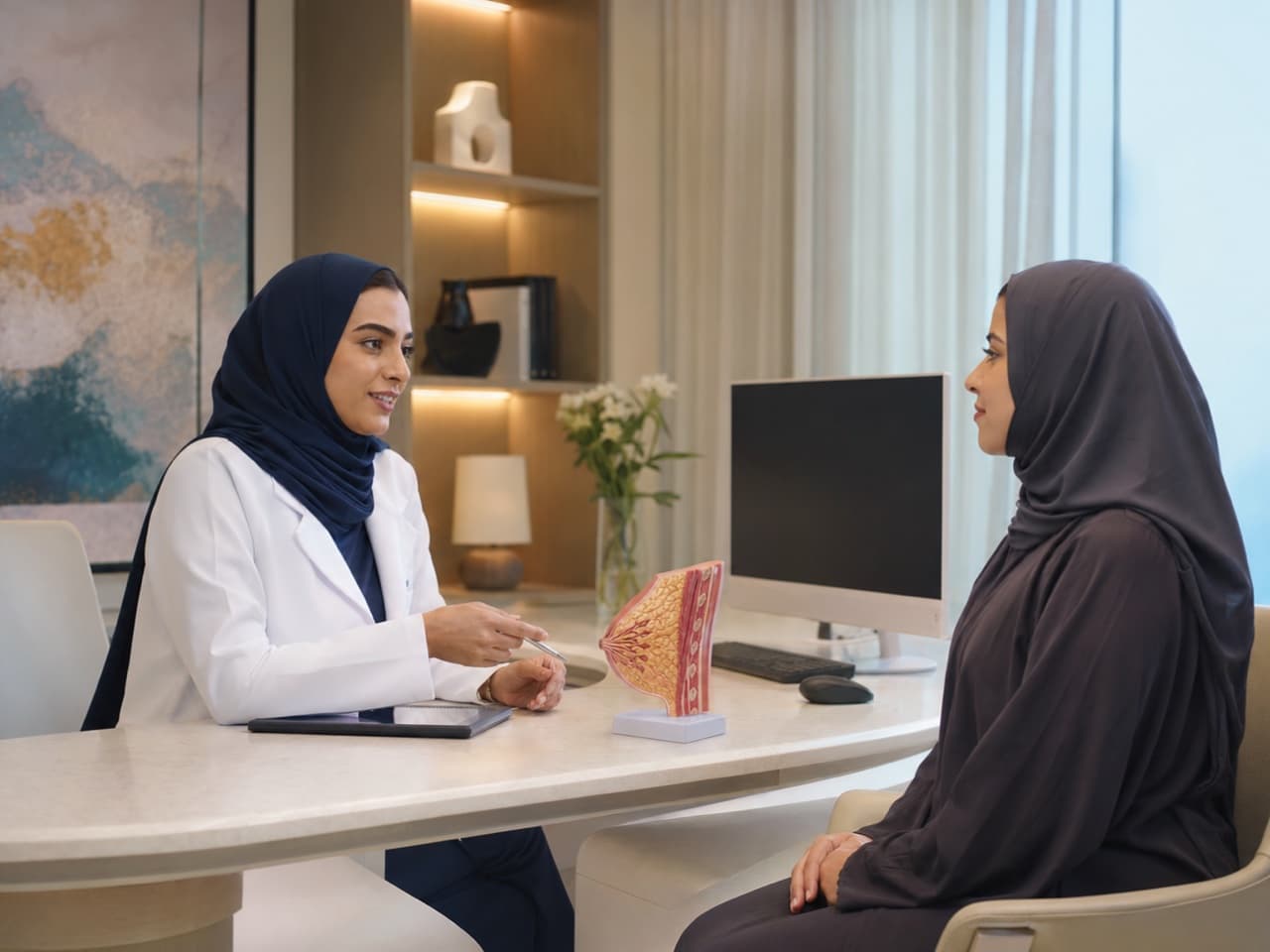
During your initial visit, expect a detailed discussion about your medical history, symptoms, and any concerns. We’ll conduct a comprehensive physical examination and review any previous imaging or test results. Our team will explain the recommended diagnostic tests and what each entails. If a diagnosis of breast cancer is made, we’ll discuss your treatment options in depth, considering your unique situation. You’ll receive compassionate care and support from our team throughout your journey, ensuring you feel informed and supported at every step.

More in this specialty

Breast Care

Benign Breast Conditions

Breast Infections and Inflammation

Breast Pain

KCH Jeddah app

Your consultant, in your pocket.

Book appointments, view reports, track prescriptions, in a single app.

KCH Jeddah app